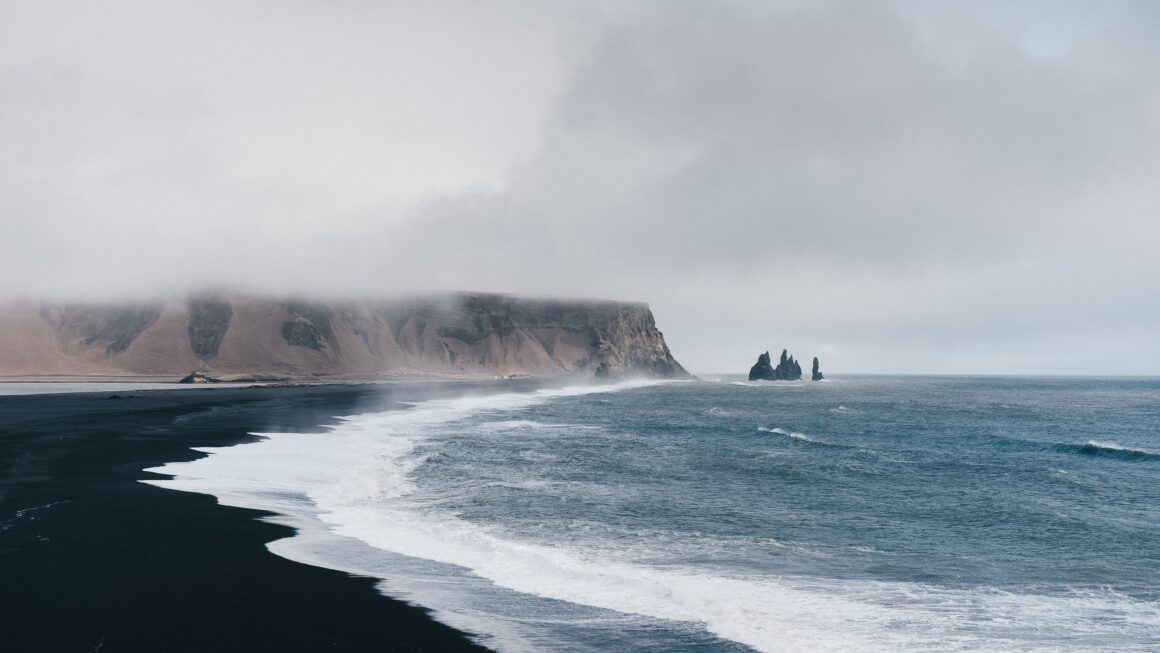
As first year Scotties, we travel to a place outside of Atlanta through a Global Journeys trip. From examination of globalization, ethics of travel, identity and culture, and imperialism, we study to understand and are present to experience how we exist in the world and why different issues exist too. After a semester of study, I went to Iceland for one week, and it exceeded my expectations. The following essay is my final reflection for my GBL 102 course, Energy, Economics and Gender Equity.
Traveling to Iceland has changed my perspective on why I travel and where I want to go in the future. I wrote in my ‘Letter to Self’ that I expected the Iceland Journeys trip to reinforce my identity and sense of self as a global citizen. I anticipated Iceland would be a series of incredible geographical experiences, a place where I could interact meaningfully with local Icelanders, and in Reykjavik, physically very similar to my personal experience of living in European Union member states, the Netherlands and Germany. I also believed that I knew most of the gender equity and economics history and the geothermal energy information of Iceland from GBL 102 classes beforehand.
However, my expectations of the country were exceeded by the experience. I went on the trip knowing that the Golden Circle would be awe-inspiring, but I was not really prepared to see a glacier or the northern lights in person. Seeing those two things physically made me feel connected to nature and to the movement for environmental protections, even though I had been drawn to it prior. It connected the reality, of visible, melting glaciers, to every discussion I have had about the enhanced greenhouse effect. It made me want to do work to help more people understand that natural features should be protected, so that people can appreciate them without taking away their integrity. As we spent half of our time in the less densely populated regions outside of the capital, I felt I had the most authentic experiences where it was not distilled by tourists along every street, experience. Going to places tourists do not normally go, like the University of Iceland, brought depth and analysis to my understanding of Iceland. For example, the Economics professor who gave us a presentation on the economic crisis, stated bluntly that he predicted another bust in the future, and the Women’s History researcher shared her personal experience as an Icelandic woman, as an academic and as the neighbor of a corrupt politician.
From classwork and from the educational aspects of the Journey, like the lectures, I have started to see how economics studies the processes and impacts of the movement of goods and services, and how that could contribute to my understanding of the world. I also see that the pace of securing rights for people, especially for women and minorities, looks very different across the world. Looking at a economics and history through the prism of the Iceland’s history, the krona and the tourism industry, I feel encouraged to study economics and women’s studies as a supplement to my International Relations major.
While in Iceland we were a unique kind of tourist, ones who knew some history and cultural elements, I was still a temporary visitor. Building on readings like the excerpts from Jamaica Kincaid’s A Small Place, I experienced and was aware of my privilege while flying in a plane, staying in a country for a week and leaving without hassle. I had the feeling of the scope of tourism, a short term experience for me but life-long for residents. As we attended lectures at the University, I realized that I want to visit important infrastructural elements in any country I see, whether educational, governmental or cultural. Having engaged in learning deeply in a foreign country, and I want to do that everywhere I go from now on, even around America. One insight I contended with was the dichotomy of tourists both bringing increased income to a country, often hastening development but sometimes bringing devastating harmful environmental impacts too. Part of sustaining tourists in Iceland will be require protection of the natural features and cultural elements that make it a unique destination. It left me sure of my love for travel, but not sure that the footprint I leave is worth the eye-opening I have the privilege of experiencing. Another situation I encountered in Iceland was the homogeneity of the population. Being overseas made me appreciate the relative diversity we have at Agnes Scott, and the United States generally, and my identity as a minority. I felt much more American in Iceland than in America, my sense of identity, like Sandra Cisneros discussed in A House of My Own, was less circumstance and more a choice and behavior. Now, after going to Iceland, I have a greater appreciation for reflecting on my actions and decisions, knowing that I am an American tourist who can only see the world from that lens and try to look beyond the assumptions I inherently have.